Leather Jacket Production to Your Target-Market Size Chart
Use the finished size chart for your target customer as the starting point for a jacket order, rather than converting size names between markets. We can develop your custom jacket around named measuring points and the fit you want. This page explains how the chart connects with the pattern, sample and size allocation for manufacture in China.
- Buyer input
- Your target-customer size chart
- Development focus
- Measurements and fit together
- Key outcome
- One agreed chart version
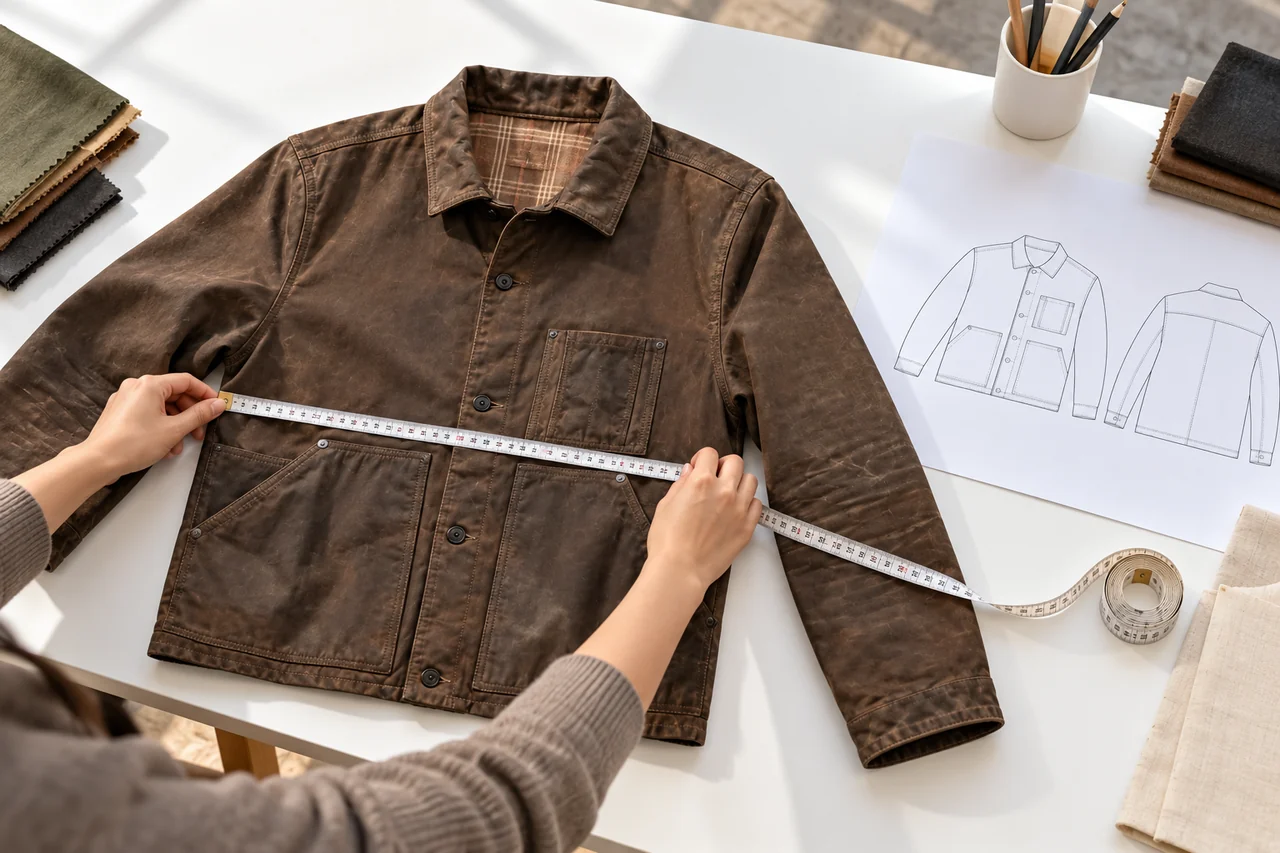
Your Market Chart as the Sizing Reference
Relia supports custom jacket measurements and size development for overseas buyers. Relia connects the market chart with a specific garment design, base size and wearing context, so the factory and buyer can discuss the same finished dimensions.
Measuring Points Make the Chart Usable
A body chart describes people; a finished-garment chart describes the jacket. Their difference includes the space needed for movement, layers and the intended look. Keep units and measurement points explicit so a half-chest figure is not confused with body circumference or with a full garment measurement.
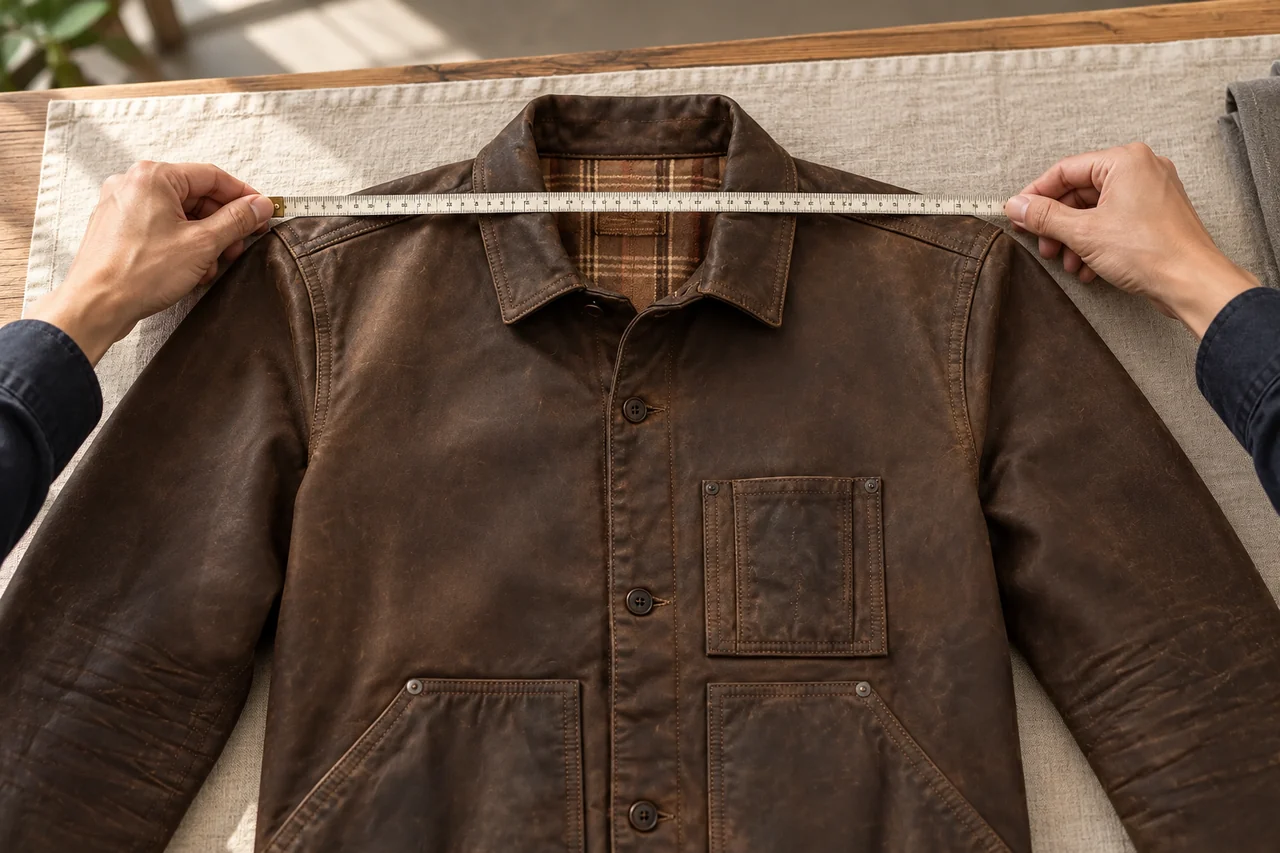
Turn the Size Chart into Pattern Relationships
Relia reviews the chart with the intended silhouette and inside layers before applying it to the pattern. Chest width, shoulder, armhole and sleeve measurements must connect to produce the desired fit. Each measuring point needs a start, end and garment state. The sample then shows whether the chart produces the intended appearance and movement, with grade relationships considered separately for the size range.
Identify garment measurements, units, measuring points and the intended wearing state.
Review how body, shoulder, armhole and sleeve dimensions work together.
Compare the sample with the base-size chart and intended customer fit.
Keep the approved chart version with the size progression and order allocation.
The Base Size Gives the Range a Starting Point
Choose the base-size reference and the measurement increments across the range. Discuss each measuring point separately so the size progression follows your fit direction.
The starting measurement set.
Changes by dimension.
Your complete size allocation.
Sample Review Uses the Same Method
Compare the sample with the current chart using the stated measuring points. Link requested changes to the relevant dimension and size so the next version remains easy to follow.
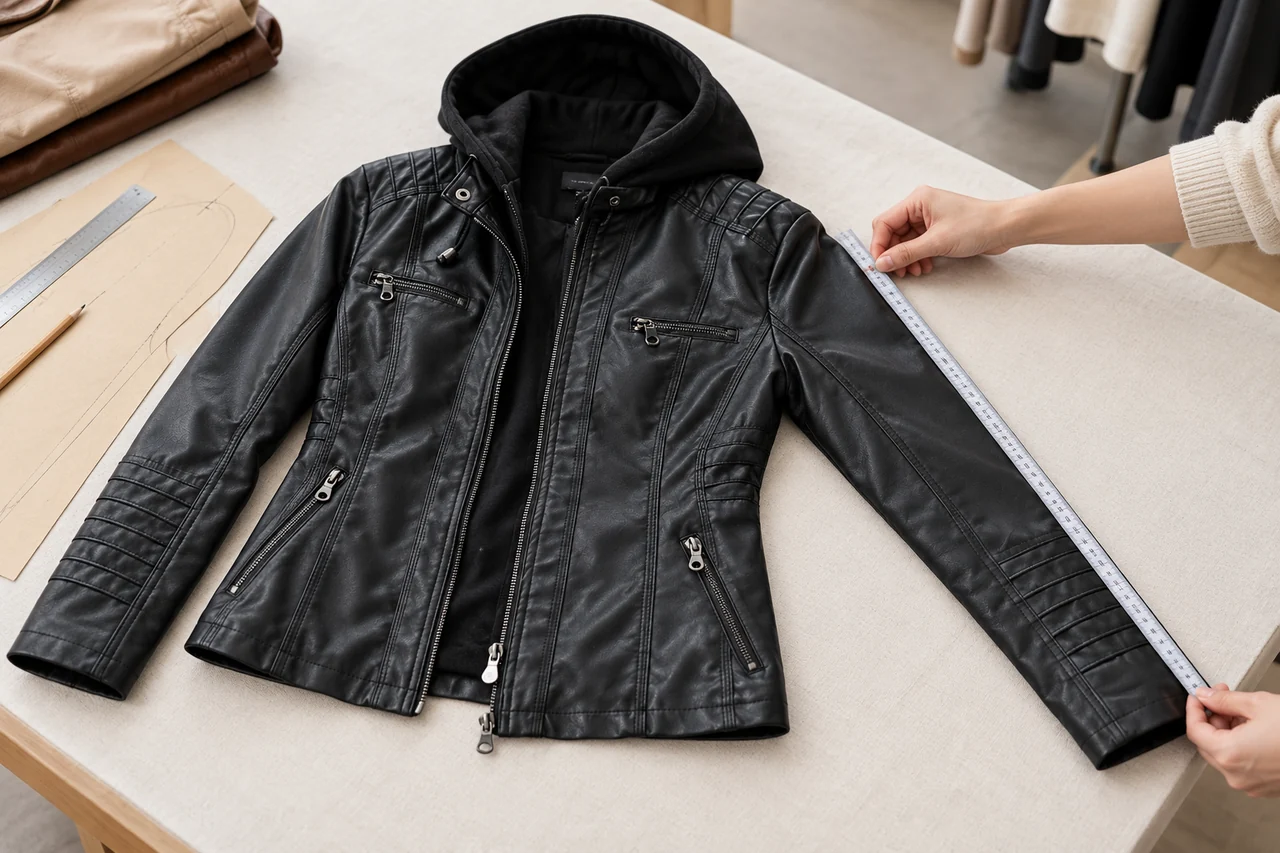
A Simple Conversion Avoids a Common Mix-Up
In an illustrative measurement record, a jacket laid flat with a 56 cm half-chest has approximately 112 cm around that measured level. This is a garment dimension, not a recommended body measurement. The intended ease still belongs in the fit decision, and the method must identify the same horizontal position.
The agreed base fit.
Additional proportions to review.
Updates carried into the current chart.
Construction and Materials Belong in the Fit Discussion
- Relia reviews the sample using the agreed measuring points rather than a size-name comparison.
- Fasten or lay the garment as defined in the chart and use a consistent measuring method.
- Review fit on the intended wearer as a separate step from checking the flat measurements.
- Keep the resulting chart revision identified for the order and later replenishment discussion.
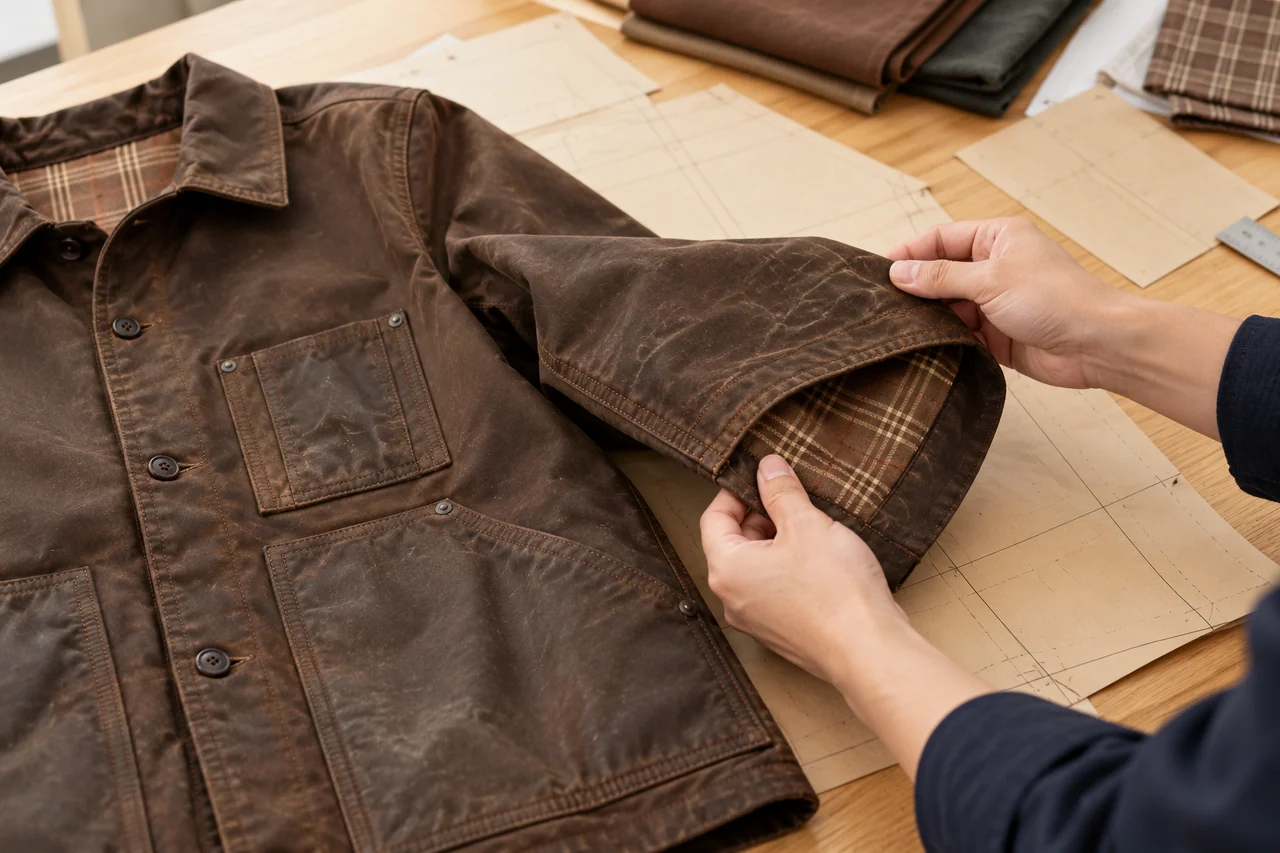
The Order Uses One Chart Version
Name the current chart in the order brief and provide quantities by colour and size. Sampling, quantities, acceptance requirements and timing are agreed for your project by email.
Current chart and measuring method.
Materials and sample details.
Colour-size quantities.
Bring Your Market Chart to the Factory
Email your design and measurement chart to Qingdao Relia Jacket Co., Ltd. We can discuss the sample and grading priorities for the adult customers you intend to serve.
Finished measurements and units.
Wearer and layering context.
Size range and quantities.
Start Your Custom Jacket Project
Send the size chart with units and measuring points, a fit reference and your planned size allocation. Relia will discuss the sample, construction and order scope with you. You can email drawings and material references as attachments or share a file link.
Prepare your enquiry in four parts
- Design: Attach your drawing, tech pack or the catalogue reference and mark the changes.
- Materials: State the shell, lining and trims, and whether we source them or you supply them.
- Quantities: Break the planned order down by style, colour and size.
- Destination and timing: Share the delivery destination and intended schedule for discussion.
Phone
+86 18561762631China Factory
Qingdao Relia Jacket Co., Ltd.Shuyuan Road, Qingdao, Shandong, China
Order quantities, sampling arrangements, pricing and delivery are discussed for your project and confirmed through our correspondence.