Adapt a catalogue reference
Include the exact product link. Describe the selected version and mark the requested material, colour, fit, artwork or label changes against it.
CUSTOM JACKET MANUFACTURING IN CHINA
We make custom jackets to customer designs. Send a tech pack, front and back drawings, or a physical sample to explain the silhouette, construction and finish you want. A catalogue reference can also help identify a starting design and the details to change.
Include the exact product link. Describe the selected version and mark the requested material, colour, fit, artwork or label changes against it.
Provide the current design files or describe the physical sample you want us to review, together with the intended wearer and component outline. Mark the fixed requirements and the areas where you would like development input.
Explore custom-design references and label-focused enquiries to choose a relevant starting point.
Record the chosen route with the design revision. Use the sample discussion to connect the actual material choice with the panel layout, stitching, fastening and artwork decisions.
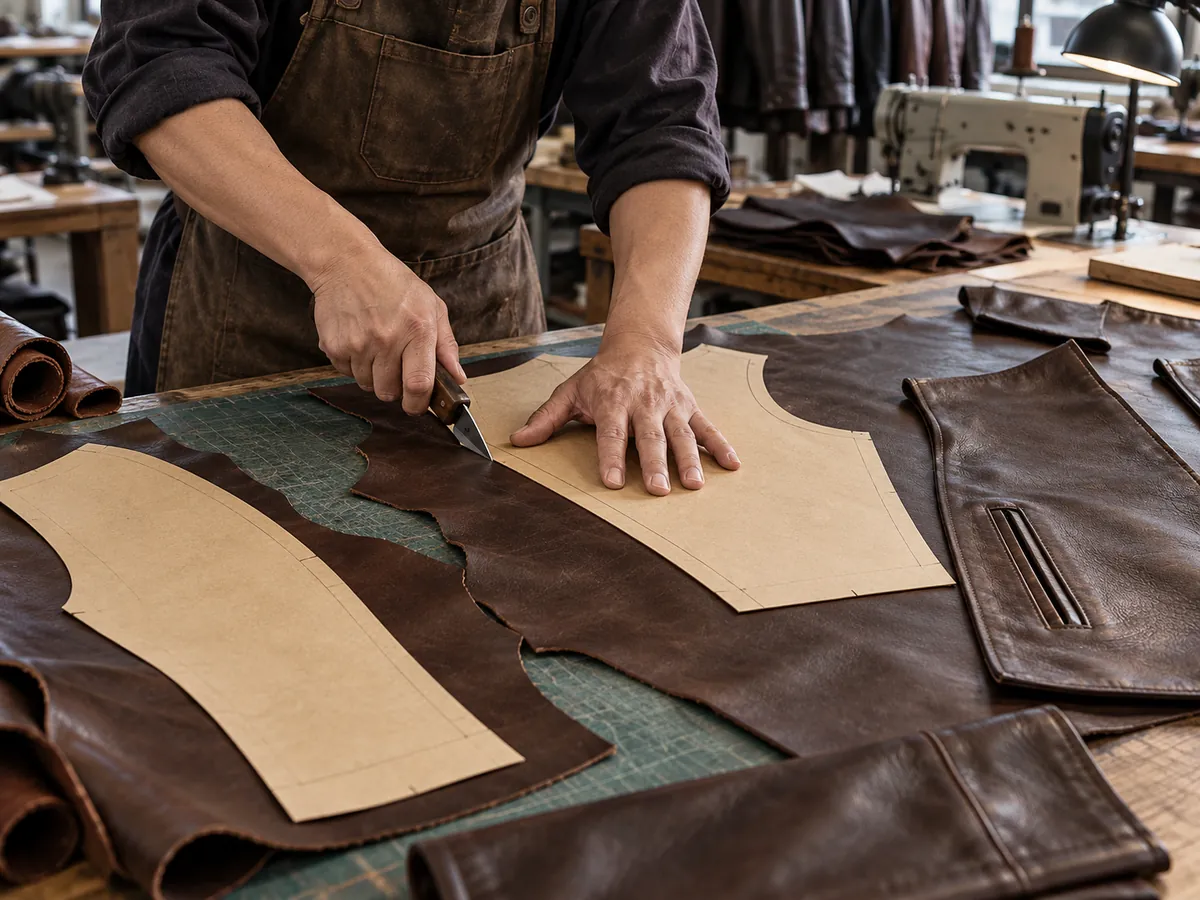
Describe the shell panels, sleeves, lining, filling and trims separately. Add the desired finish and colour reference to the component it belongs to. This makes a mixed-material design easier to discuss and keeps a sleeve choice distinct from a whole-shell requirement.
For a fastening or hardware change, identify the part, dimensions, position and required operation. Include a detail reference, then confirm compatibility with the selected construction and the scope offered for that version.
For artwork, supply the design file, finished dimensions and placement. Note whether you are seeking embroidery, embossing, print, a patch or a label treatment. Review the method against the chosen surface and include an approval proof in the development brief.
Identify the artwork you own or are authorised to supply, including any permission limits. For patches or other embellishments, describe the attachment, intended use and care conditions; agree the relevant sample or evidence needed to review appearance, attachment and condition after that care process.
Use the component guide and measurement guide to complete the specification.
Keep the current garment reference, component sheet, measurements and artwork in one dated package. When a detail changes, record the revision and name the file it replaces. This gives the sample and quotation discussions the same design basis.
For the factory handoff, mark the approved construction details and the open decisions on the same version. Include the material route so a change in supplied or purchased components can be reviewed alongside fit and workmanship requirements.
| Part of the brief | Information to include |
|---|---|
| Design | Product link or sketches; front, back and detail views; requested changes |
| Components | Shell panels, lining, filling, trims, colour and finish references |
| Fit | Finished measurements, size labels, intended layers and quantities |
| Branding | Artwork file, treatment, dimensions, position and label details |
| Approval | Accepted revision, sample purpose and open decisions |
The sample approval guide connects these decisions to a physical reference.
Send your preferred version, quantity by style and size, intended market and requested schedule. Include any packaging or documentation needs that belong to the order. The project discussion can then address development scope, sample arrangements and the commercial basis for that specification.
Discuss a Custom Jacket