
Make the quotation describe the same order
A useful jacket quotation comparison begins with the garment and the scope around it. The unit amount is one part of that picture. Material, size quantities, artwork, sample work, packing and delivery responsibilities can all shape what the quotation covers. Put those items beside the amount before deciding how proposals compare.
This guide provides a buyer-led worksheet for organising a B2B jacket enquiry. It helps you create a common request, identify included work and record decisions for the order discussion. It is a comparison method rather than a statement of Relia's prices, minimum quantities, payment terms or delivery policy.
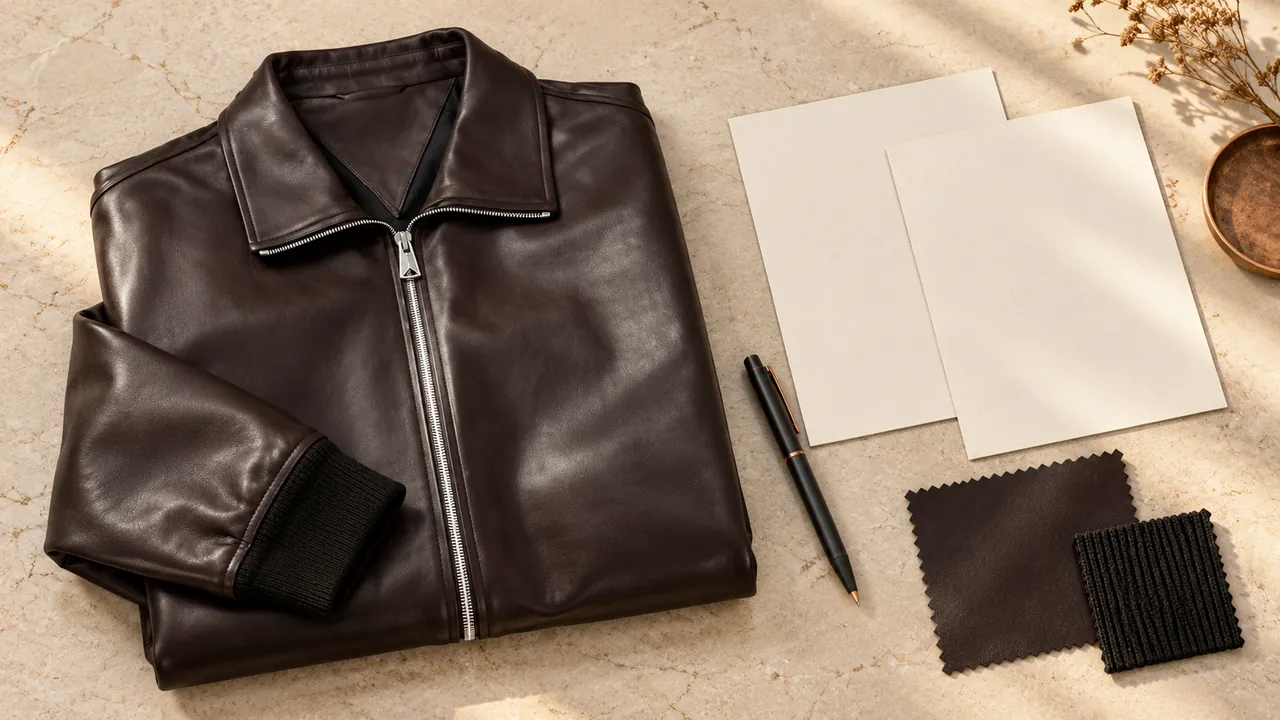
Begin with the custom jacket brief so the request can identify the same design and version throughout the commercial discussion.
1. Establish the product specification
Name the exact catalogue reference or development design. Attach its current component sheet, measurement reference, colour requirements and artwork schedule. Where the request includes several styles, keep each one identifiable rather than combining different garments under one general description.
List the body, sleeve, lining, filling and trim requirements separately. A quotation for one material combination can then be compared with a proposal for the same combination. If an alternative is offered, record the changed component and its effect on the quoted scope as an alternative line.
Include the ordinary product features important to your selection. Where the project also calls for a named document, test level or market requirement, identify it beside the relevant garment or component. This gives the technical and commercial discussions the same reference and keeps the offered version visible when the quotation is revised.
2. Record the quantity and unit basis
Prepare a quantity grid by style, colour and exact size label. Check its line totals and overall total before sending the enquiry. If you are considering different quantity scenarios, give each scenario a name so a revised quotation can be matched to the intended mix.
Ask the proposal to identify the currency, the unit being quoted and the quantity on which the amount is based. Record any minimum or mixing condition stated for that project. Keep those conditions next to the relevant line rather than applying one figure automatically to every style or colour in a range.
For multi-style buying, distinguish the total enquiry quantity from the quantity of each garment version. A shared project total is useful for planning, while the quotation still needs to identify the actual products, materials and operations being requested. Use the accepted size sheet and artwork schedule to keep those versions traceable.
3. Separate included work from additional items
Organise the commercial scope into clear lines. Depending on the project, those may include the garments, sample work, pattern development, artwork preparation, application setup, labels, packing and shipping. Ask which items are included in the quoted amount and which are separately charged.
For artwork, name the method and the number of distinct marks or applications being considered. For labels, include the approved text, dimensions and placement. For packing, describe the requested unit and carton presentation, together with any size or style identification needed for your receiving process.
| Line | Record for each proposal |
|---|---|
| Garment | Design version, component specification and quantity basis |
| Development | Sample purpose, pattern work, artwork preparation and revisions included |
| Branding | Applications, labels, setup scope and accepted proof reference |
| Packing | Unit presentation, cartons, identifiers and any special instructions |
| Delivery | Transport scope, named location, documents and responsible parties |
4. Connect dates to specific milestones
A project calendar is easier to compare when every date has a named event. Separate artwork approval, sample review, final specification approval, production readiness, dispatch and arrival where they are relevant to the project. Record what must happen before the next stage begins.
Include buyer decision time in the planning discussion. If a revised measurement sheet or artwork proof is needed, identify the version and the review owner. This helps both sides see which decisions are still connected to the requested calendar.
When a quotation includes a timing statement, record its start condition and the milestone it refers to. A production completion date and a delivery arrival date describe different parts of the project. Keeping them separate allows the product work and transport arrangement to be discussed clearly, with the actual schedule agreed for the selected order.
The sample approval guide provides a useful way to keep the reviewed reference and the decision log together.
5. Define delivery responsibilities and the named location
Record the destination and the proposed transport scope. Identify who is arranging carriage, insurance where relevant, export and import handling, and the documents needed for the transaction. Put freight and other charges in the comparison on the basis actually offered.
The International Chamber of Commerce's Incoterms® 2020 overview explains that the rules allocate obligations, costs and risk between buyer and seller. Where a rule is used in the project agreement, record the selected rule, the named place or port and the version. Discuss the appropriate choice for the actual route and transaction.
Keep the rest of the commercial agreement visible as well. The International Trade Administration's Incoterms guide explains that these rules do not set every sale condition, including the negotiated payment method and timing. Treat those as their own agreed entries rather than assuming a delivery term supplies the whole order agreement.
6. Place payment, inspection and claims in their own rows
Record the payment arrangement proposed for the actual project, including the currency, milestones and the documents associated with each stage. Keep the quotation's validity and any conditions attached to the amount alongside that information. A later proposal can then be compared with the same commercial basis.
Define the inspection or review plan with the accepted product reference. Identify the stage, responsible parties, access arrangements, sample selection and acceptance criteria. The jacket specification and inspection checklist helps turn the technical brief into practical checkpoints.
Bring the route for handling an order finding into the commercial discussion. Record the information to be supplied, the review process and the remedy arrangement agreed for that order. Keep changes, cancellation and claims conditions identifiable in the accepted agreement. This creates a usable project record without substituting a generic retail policy for a negotiated B2B arrangement.
7. Use a comparison sheet with an action column
Place the common request in the first column and each proposal beside it. Add a status for each row: aligned with the request, an offered alternative, or a point to discuss. Use the action column to record the question and the response needed to complete the comparison.
This layout keeps productive alternatives visible. A proposal may offer a different component, packing approach or schedule that is worth considering. Record the change clearly and compare it as a defined option rather than merging its amount with the original specification.
| Field | What to capture |
|---|---|
| Common request | Current design version and requirement |
| Proposal reference | Quotation identity, date, currency and validity |
| Offered scope | Included product, work and responsibilities |
| Status | Aligned, alternative or discussion point |
| Next action | Specific question, owner and response reference |
Keep the written answers with the quotation and update the comparison when a proposal changes. The working sheet then reflects the decision being made, rather than an earlier set of assumptions.
Compare an alternative as a defined option
Imagine a buyer requesting one jacket construction with branded labels and a specified packing presentation. One proposal follows that request. Another offers a different lining and separates the label setup from the garment amount. The useful next step is to record those differences in the scope sheet, with the original request still visible.
Ask for the alternative to identify its component specification and the work included. The buyer can then consider the design and commercial effect together. If the alternative is accepted, update the garment brief and quotation reference so the chosen version becomes the common basis for the next discussion.
This method also works when the difference concerns quantity or delivery scope. Keep each scenario identifiable and compare it with the matching product and commercial terms. A revised quantity mix belongs beside the amount offered for that mix; a different named delivery location belongs beside its own responsibility and cost record.
Use a final decision row to say which option is being carried forward and which questions remain. Keep the response date and the proposal identity with that record. A comparison sheet is most valuable when it supports an actual choice, not simply when it contains several amounts. Connecting the accepted option to the current specification makes the quotation discussion clearer for the buying, design and receiving teams involved.
8. Carry the accepted version into the order discussion
Before moving forward, compare the quotation with the current garment brief. Check the design, quantity mix, components, artwork, packing and project milestones together. Identify the accepted alternatives and make sure they appear in the same version of the specification.
Keep the commercial terms and approval records connected to that version. A concise handoff can name the quotation, the garment documents, the accepted sample reference and the remaining decisions. This makes the next discussion about a concrete order scope.
To request a quotation from Qingdao Relia Jacket Co., Ltd., send your selected product links or design brief, quantities by style and size, artwork requirements, destination and requested calendar. Explain which scope decisions you would like to discuss. A complete request supports a clearer comparison and a more useful conversation about the jacket project.
Send Your Jacket Enquiry